



Bacterial biofilms are one of the main sources of microbiological contamination in dental unit waterlines. Biofilm formation can encourage microorganism growth and increase the risk of cross-contamination in the dental practice. Understanding bacterial biofilm formation and what prevention protocols should be adopted is essential to ensure high clinical safety standards.
What is bacterial biofilms and how is it formed?
The word biofilm suggests something else given its similarity to the word biopic, which is commonly associated with a film genre. Yet this is a completely different kind of film.
In fact, we are talking about the organic, self-produced layer that forms on the internal surface of dental unit waterlines. For dentists, it is real problem since it acts as a shield protecting the bacteria and microorganisms colonising waterlines.
The source of this bacterial contamination is tap water, which, although safe to drink, is never entirely pure. Especially in stagnant areas or during brief periods of inactivity, certain bacteria can attach, multiply and produce this biofilm, creating the perfect environment for the survival of pathogens within dental unit waterlines.
The problem arises when tiny biofilm fragments break away, contaminating the water dispensed by handpiece sprays or air/water syringes during dental treatments.
Why are bacteria biofilms a risk in the dental practice?
Dental units play a central role in dental treatments.
Biofilms in waterlines can increase the bacterial load of the water used during dental treatments and thus the risk of cross-contamination, which has always been a serious concern for the dental practice.
The most feared pathogens include hepatitis B virus (HBV), heatitis C virus (HCV), HIV and bacteria such as Legionella and other agents causing respiratory infections.
Most microorganisms forming biofilms in waterlines do not pose a high risk to immunocompetent patients and operators, though they do to immunosuppressed patients and operators. Above all, patients can swallow water or inhale the aerosol formed during dental treatments.
Although there is no scientific evidence sufficiently proving that such exposure can directly cause an illness, it is clear that the characteristics of sprayed water used to cool rotating instruments should in any case comply with the minimum standards required by the European Community. Even better, it should reach higher quality standards, reducing the bacterial load of outlet water to negligible levels.
Quite clearly, the almost inevitable presence of bacterial biofilm in the conduits of dental units calls for constant cleaning and adequate disinfection aimed at control and prevention to ensure a safe environment during dental procedures.
Biofilm prevention: the importance of hygiene protocols
Prevention implies, above all, the adoption of hygiene protocols, which are simply good daily practices that are fundamental to reduce biofilm formation in dental unit waterlines.
To avoid the dental unit becoming a vehicle for the primary transmission of microorganisms, thus for potential cross-contamination between staff and patients, these procedures should be carried out at the end of each treatment, as well as at the beginning and end of each working day.
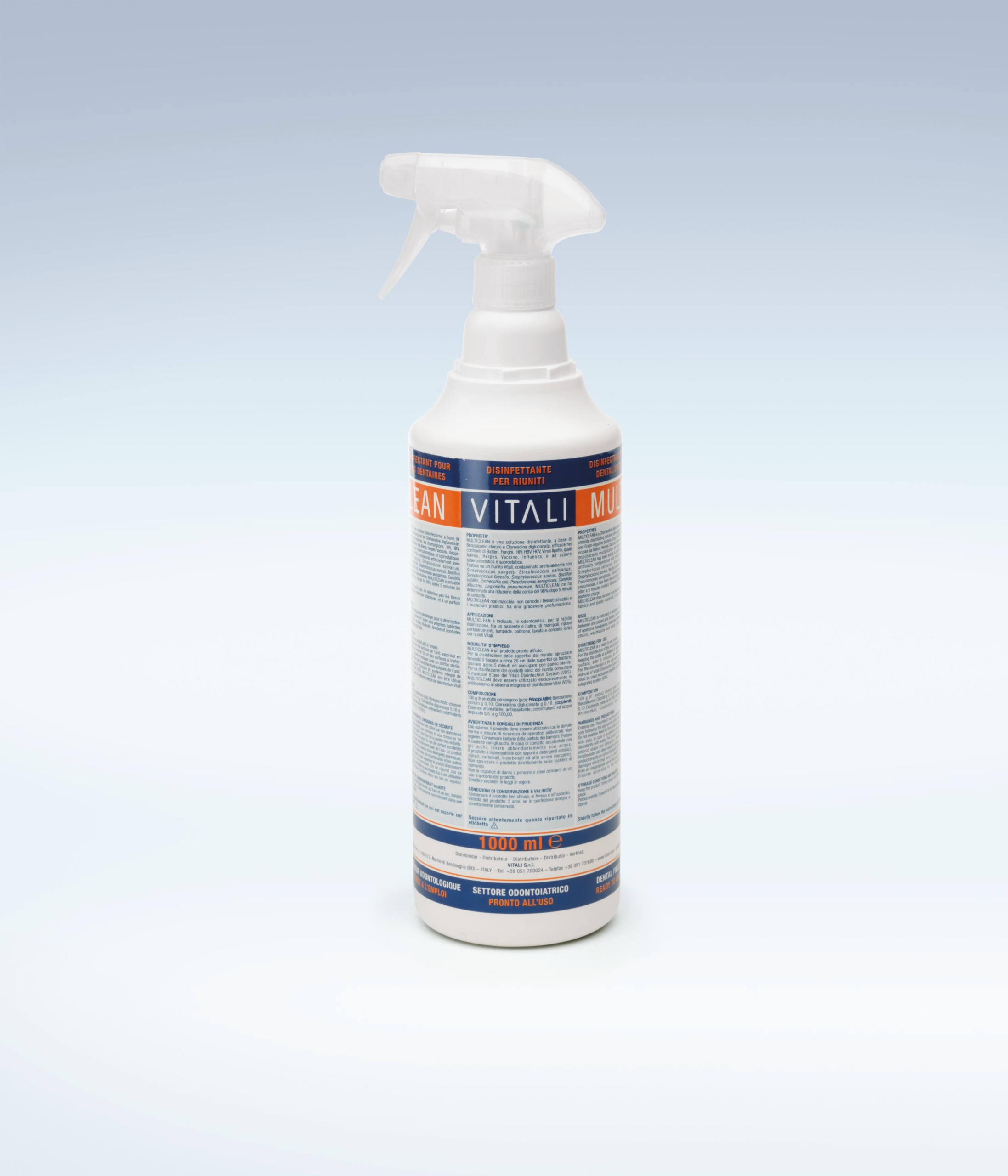
Broad-spectrum disinfectants should be used, respecting the dilution and contact time indicated on their label so as not to compromise their effectiveness in removing biofilms and associated microorganisms.
It is strongly recommended to choose products containing effective active ingredients against microbial biofilms and with a long-lasting disinfectant action.
Let us see what should be done for the correct daily prevention of biofilm formation, starting from when the practice opens.
WHAT SHOULD BE DONE AT THE BEGINNING OF THE DAY:
- rinse all suction conduits with a broad-spectrum disinfectant for a couple of minutes;
- rinse each instrument with water for at least 2 minutes.
WHAT SHOULD BE DONE BETWEEN ONE PATIENT AND THE NEXT:
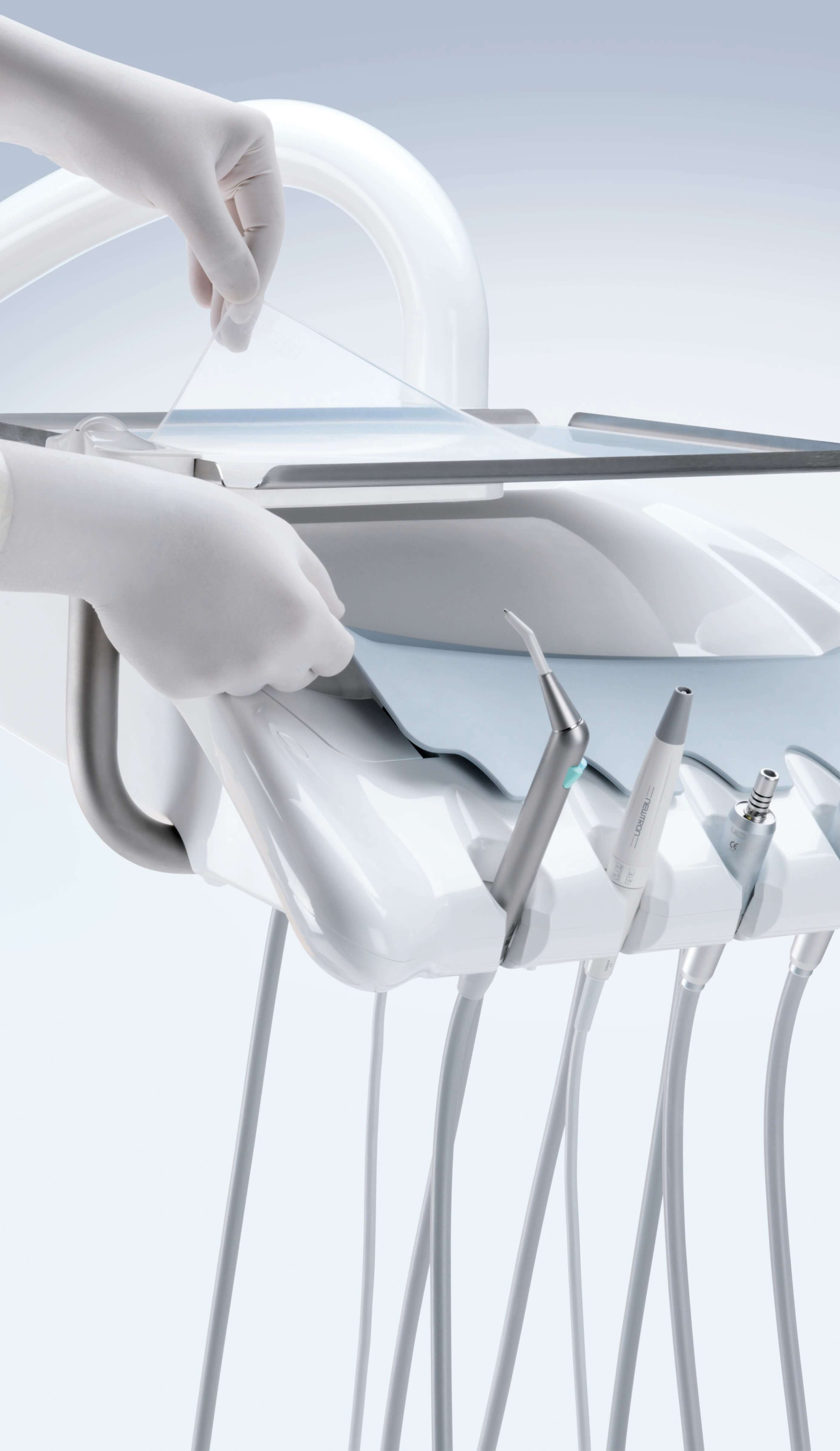
- disinfect all surfaces;
- clean and decontaminate all surfaces;
- rinse each instrument with water for 20-30 seconds;
- rinse the suction cannulas with a high-level disinfectant for two minutes.
WHAT SHOULD BE DONE AT THE END OF THE DAY:
- flush the suction conduits with a high-level disinfectant, possibly letting it work overnight;
- rinse each instrument with water for at least 2 minutes;
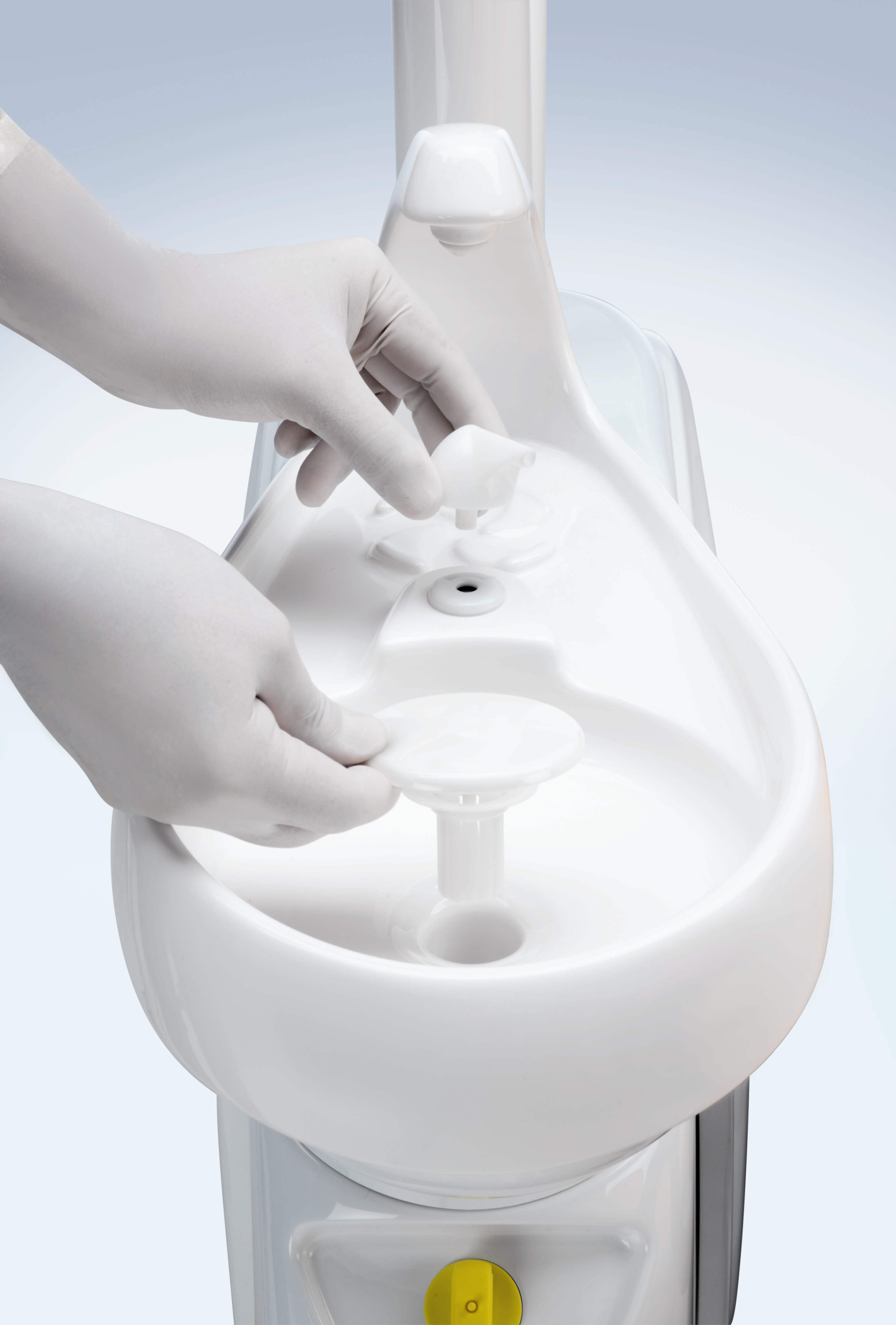
- clean the spittoon drainage filter;
- drain and clean the suction system filter.
Hygiene of dental unit waterlines in the winter period
During the winter period, prevention should be carried out with great care because, when the heating is on, bacterial biofilm contamination increases, promoting the proliferation of biofilm in dental unit waterlines.
In fact, heating brings the temperatures of dental unit waterlines to 20-25 °C, which is the ideal range for biofilm proliferation.
Some dental units mitigate water temperature to promote patient comfort. In this case, if the unit is not regularly flushed, the heat accelerates biofilm formation in smaller conduits.
When a dental practice closes for a long period (for example for the Christmas break), conduits should be completely emptied or, even better, be subject to a thorough disinfection treatment.
This is because water stagnation in dental unit waterlines is highly conducive to biofilm formation.
When going back to work, a new disinfection treatment is recommended to remove the sediments accumulated during the break.

The design of VITALI units and their contribution to clinical safety
When buying a new dental unit, the type of biofilm prevention offered by its manufacturer should be checked.
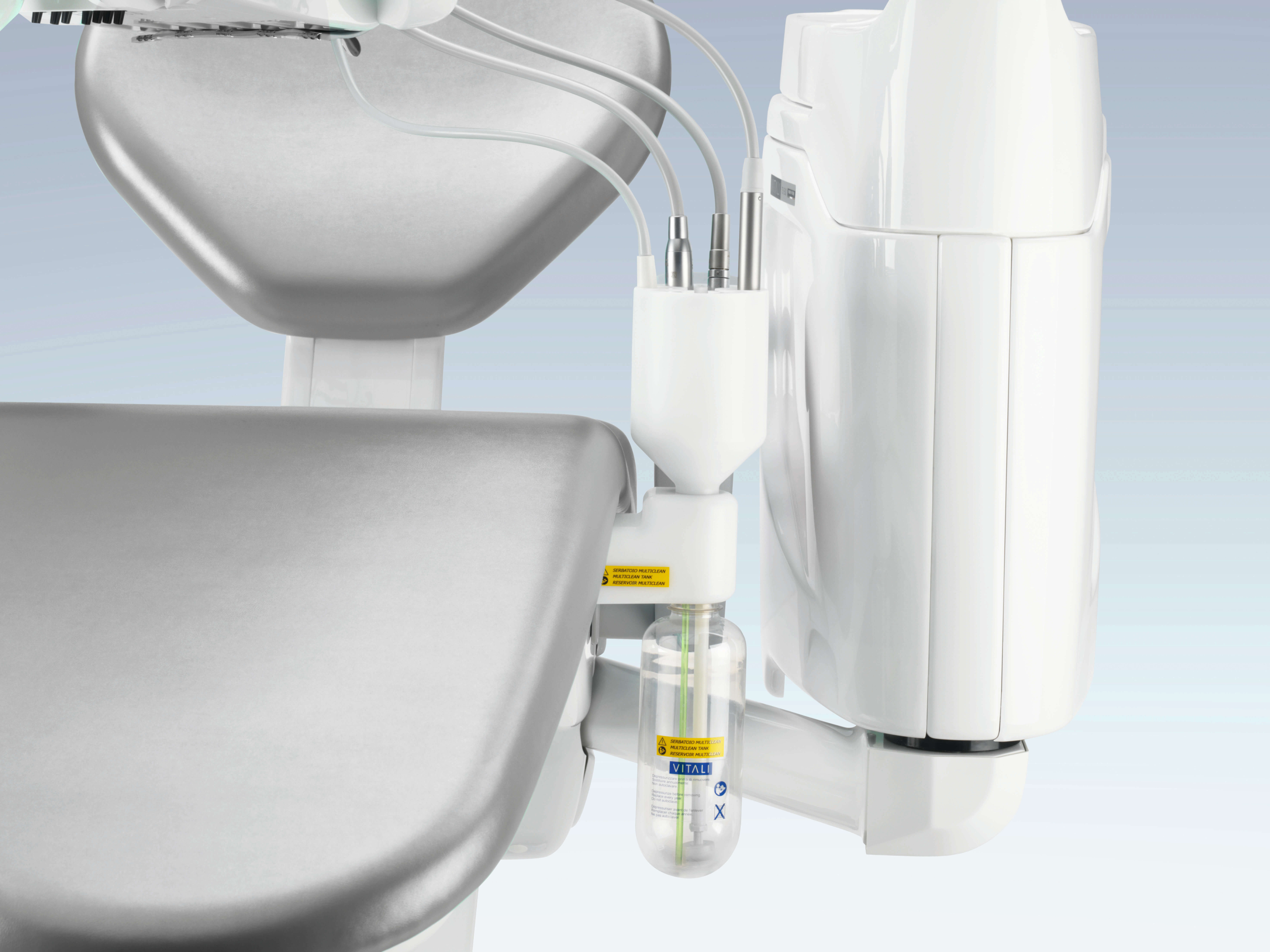
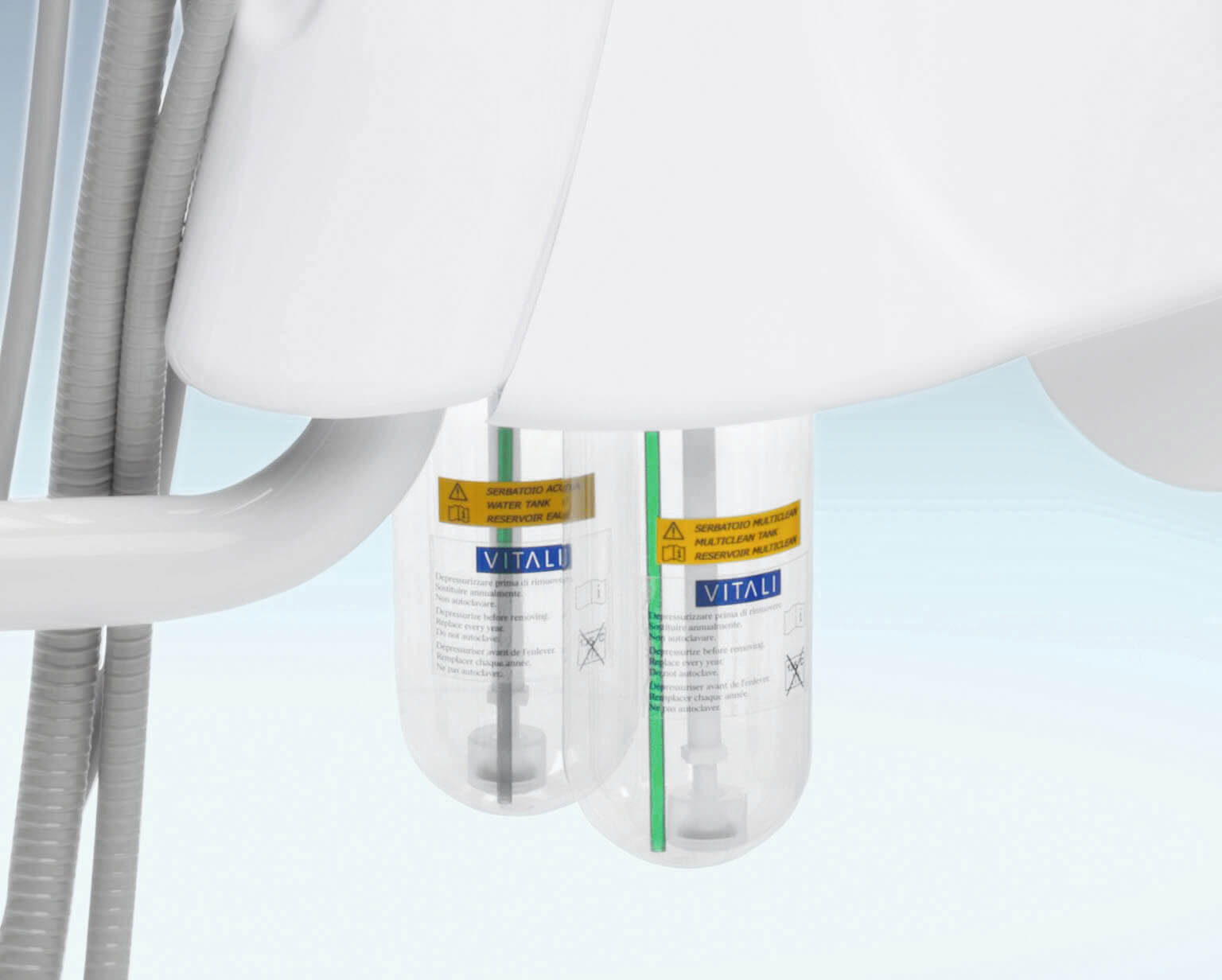
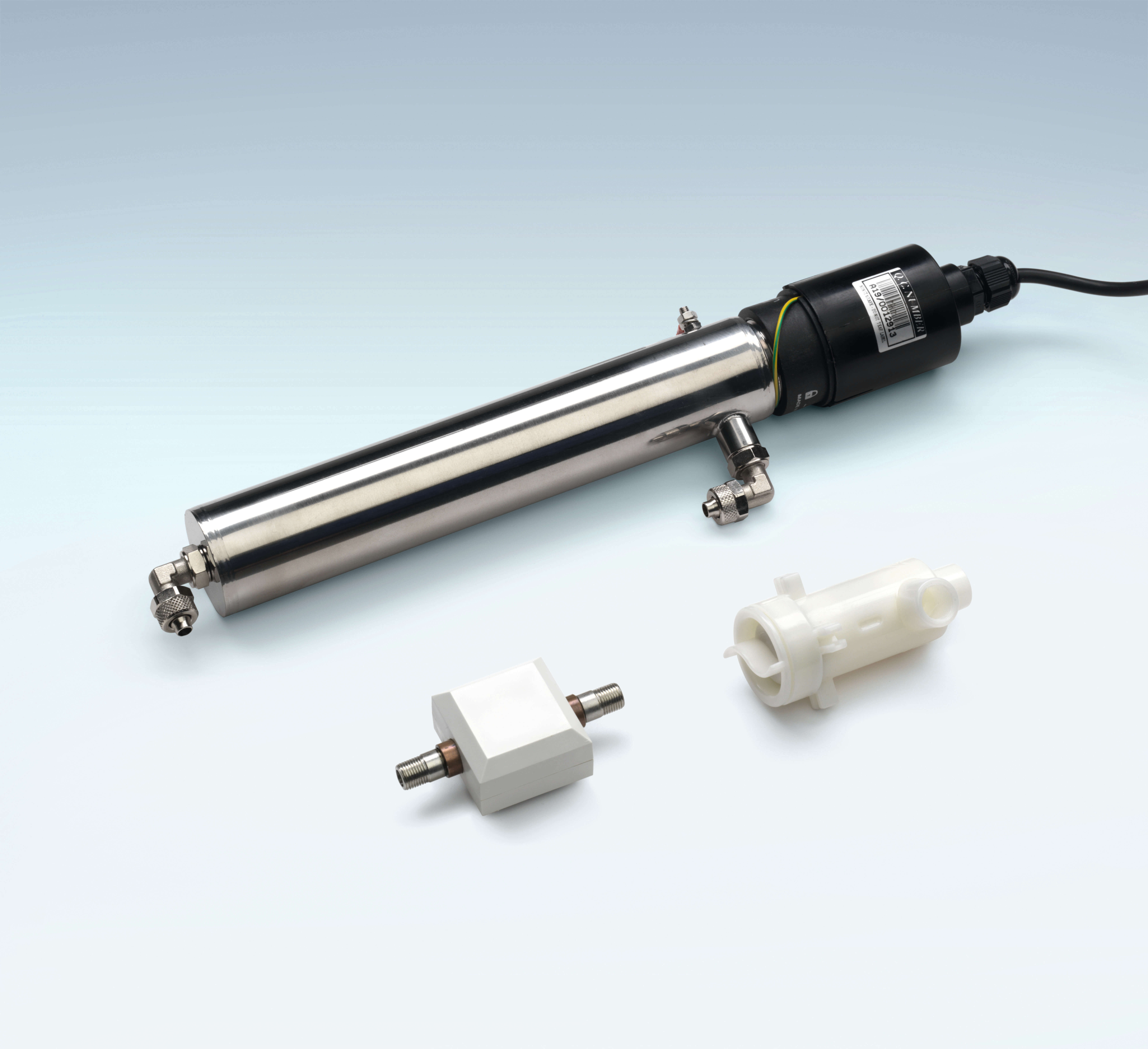
VITALI dental units can be installed, at the time of their assembly in the factory, with the certified VDS disinfection and sanitization system.
This device, designed by the VITALI Research & Development department and tested by qualified laboratories, combines state-of-the-art technology, medical devices and tested procedures. It has been proven that VDS is particularly effective in reducing bacterial biofilm contamination in dental unit waterlines, thus limiting biofilm formation.
In addition, the MULTICLEAN medical device provided by VITALI for disinfection can effectively fight bacteria biofilm (such as Legionella pneumophila), fungi, HIV, HBV and HCV.
The VDS is completely automatic and is equipped with safety devices that make its activation extremely simple.
The importance of offering ever greater guarantees to patients
The evolution of cross-infection management in dentistry has radically changed over time, going from an almost total lack of hygiene protocols in the early 20th century to today’s extremely high and strict safety standards.
This historical change gives evidence of how our fear of infectious diseases has driven technological innovation and clinical practice.
After the first alarms in the 1960s and 1970s, with the growing spread of viral hepatitis, the 1980s and 1990s marked a turning point, with the spread of HIV imposing a radical paradigm shift.
In the 2000s, protocols and regulations were strengthened, introducing the traceability requirement for every sterilization treatment. The COVID19 pandemic, instead, further redefined the idea of safety in dentistry.
Biofilm prevention in dental unit waterlines should thus not be underestimated and should become a key priority for every dental practice that wants to offer clinical and professional quality.
In the interest of both patients and operators.